Catch dental issues before they become costly problems.
Three photos. One AI-powered report. cavity-check detects early-stage dental conditions so you get earlier alerts, visit the dentist earlier, and get more affordable treatment — every time.
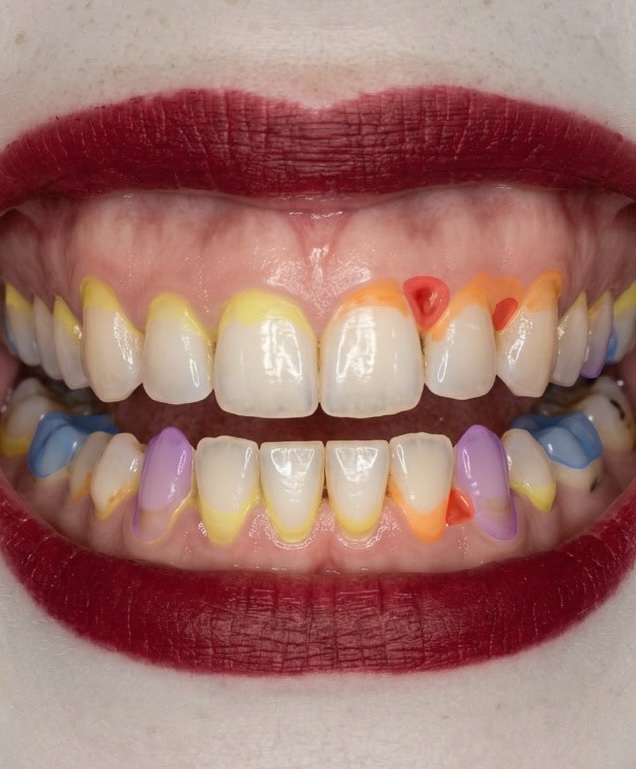
Color-Mapped Detection
AI highlights each region with severity-coded markers so you see exactly what needs attention.
The Value of Early Detection
Prevention is always cheaper than correction.
Most dental problems are simple to fix when caught early. cavity-check helps you detect issues in their earliest stages.
✦ Early Detection with cavity-check
- Fluoride treatment reverses early-stage decay
- Minor alignment correction with aligners (1–2 months instead of 2-year orthodontic treatment)
- Simple cleaning for early gum issues, plus a personalized oral care routine
- One visit, no follow-up surgeries
Late-Stage Treatment
- Root canal for advanced decay
- Full braces or surgery for misalignment
- Periodontal surgery for gum disease
- Multiple visits, long recovery periods
How It Works
Three simple photos. One complete diagnosis.
Smile Photo
Patient takes a straightforward photo of their smile showing teeth alignment, gum line, and overall presentation.
Upper Jaw
A guided capture of the upper arch reveals surface conditions, early cavities, enamel erosion, and alignment patterns.
Lower Jaw
The lower arch photo completes the picture — our AI cross-references both arches to identify bite irregularities and hidden risks.
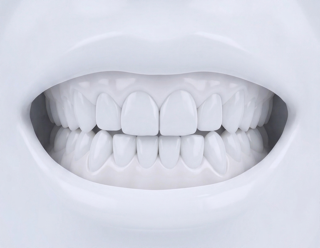
Actionable Insights
Every finding is flagged by severity so you act on what matters first.
AI Capabilities
What our analysis detects.
Cavity Detection
Identifies early signs of tooth decay — including demineralization and micro-cavities invisible to the naked eye — before they require fillings or root canals.
Gum Health Assessment
Evaluates gum color, contour, and recession patterns to flag gingivitis and early periodontal concerns before they progress into irreversible stages.
Bite & Alignment Analysis
Maps occlusal patterns and tooth positioning to identify malocclusion, crowding, or spacing issues that can be corrected with early orthodontic intervention.
Enamel Erosion Mapping
Detects surface-level enamel loss caused by acidity, grinding, or dietary factors — alerting patients to modify behavior before structural damage occurs.
Discoloration Tracking
Monitors staining patterns and discoloration over time, distinguishing between cosmetic concerns and symptoms of underlying conditions that need attention.
What Professionals Say
Trusted by dentists across 12 countries.
"cavity-check caught enamel erosion in a 14-year-old patient that I wouldn't have flagged for another six months. That early call saved the family thousands and the kid a crown."
"We integrated cavity-check into our patient intake flow. The AI report gives us a solid baseline before the patient even sits in the chair. Completely changed our workflow."
"My patients love seeing the visual report. It turns an abstract dental conversation into something tangible. Treatment acceptance rates have gone up 40% since we started using it."